Defensive Tower and Noble Residence of the Mining Era
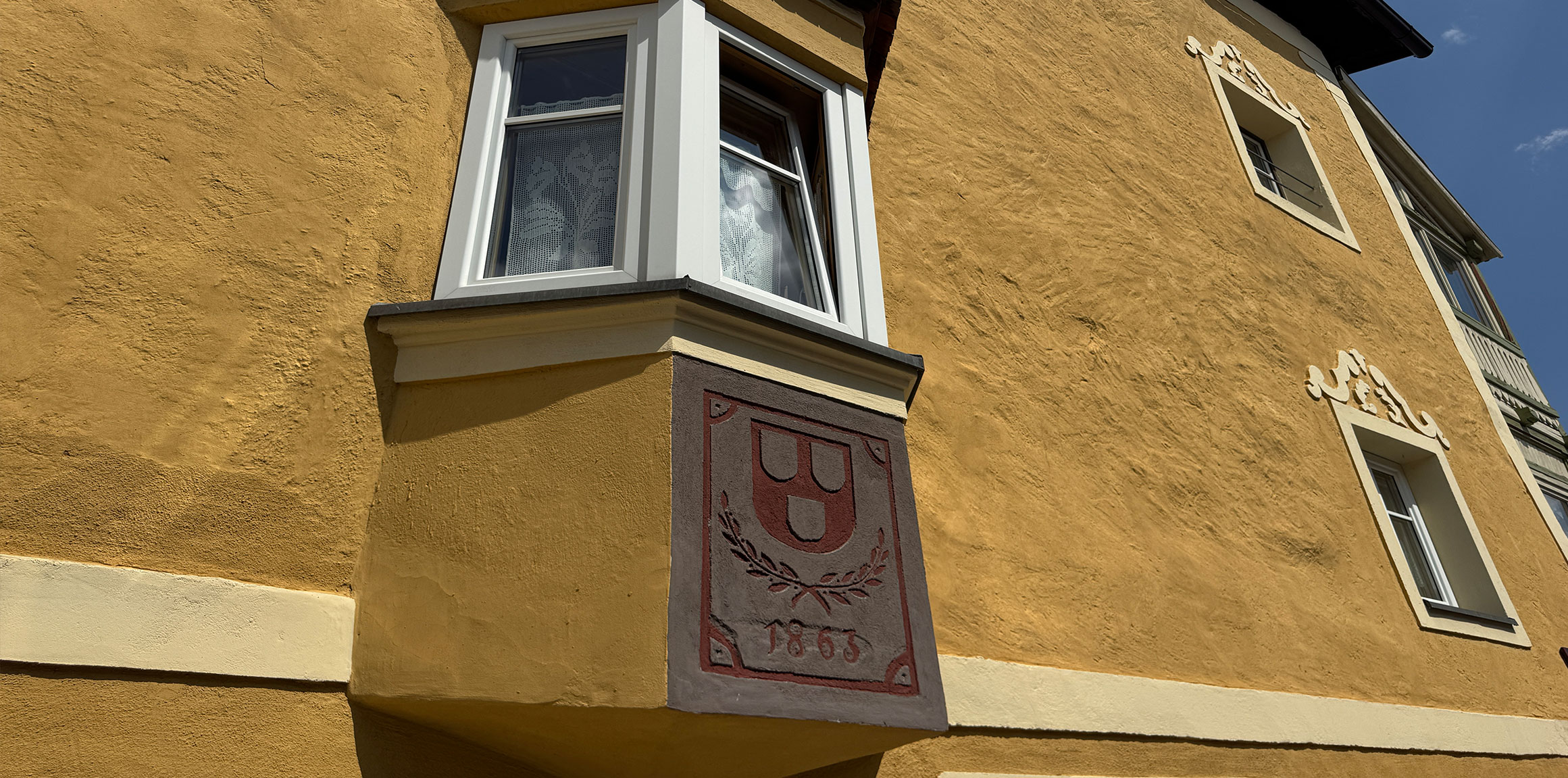
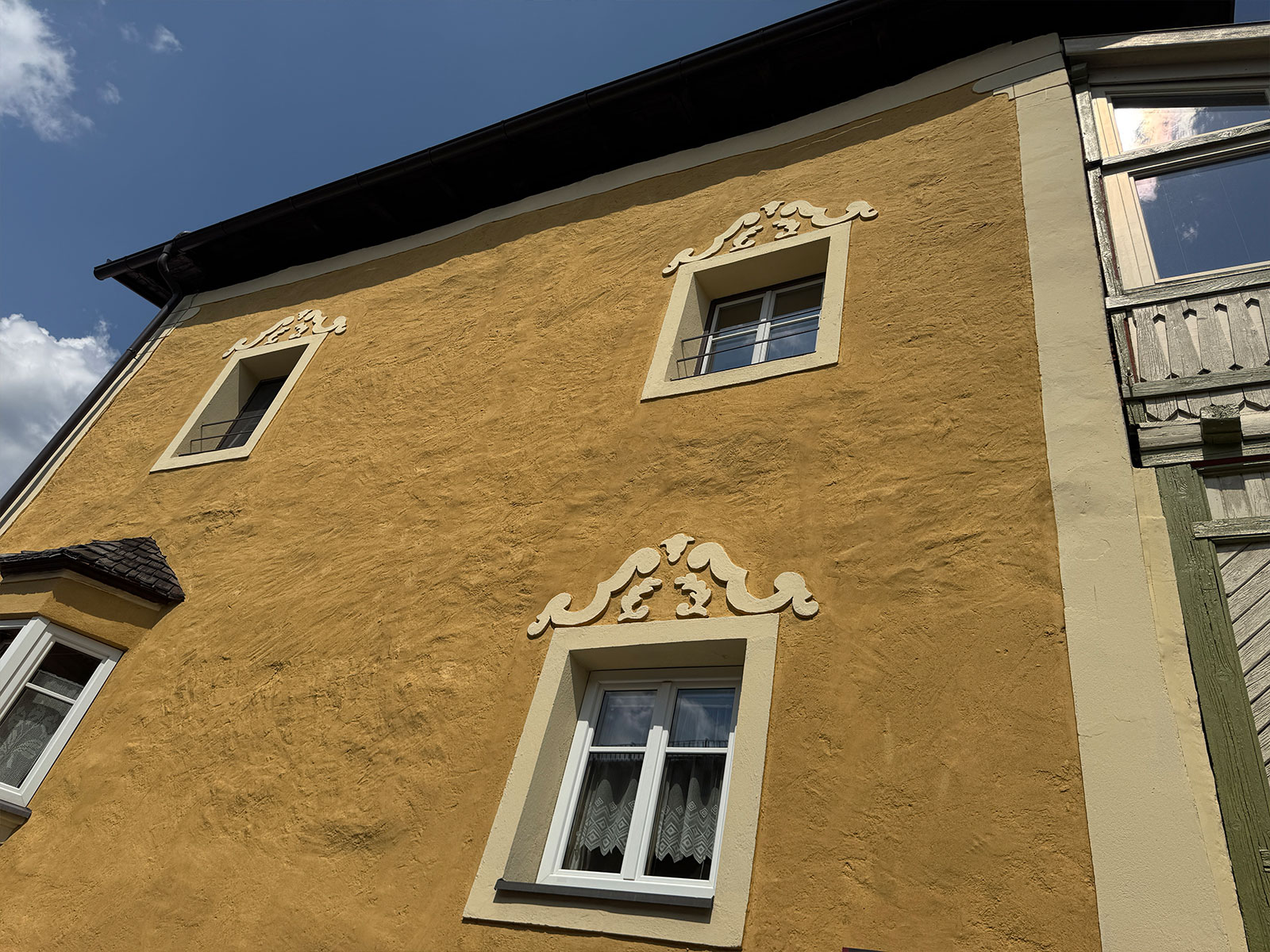
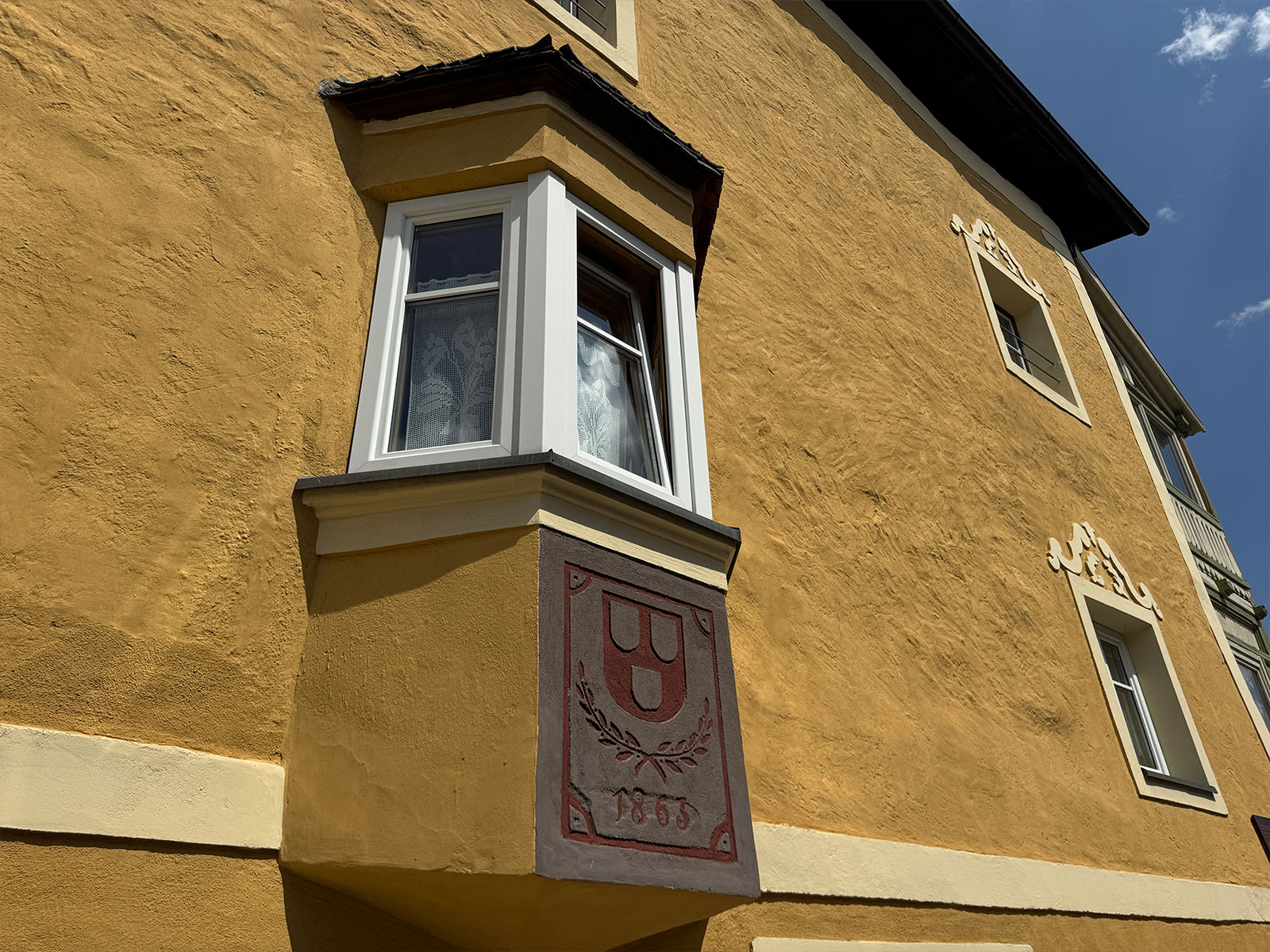
Residence Flammeck, also known as the “Rutter Tower” or “Fuchs Tower”, is one of Sterzing’s historic noble residences and reflects the town’s close connection to Tyrolean mining history. The building originally began as a medieval defensive tower and formed part of the town’s security and defence system.
In the early 16th century, the mining entrepreneur Andre Flamm acquired the sovereign fief known as the “Rutter Tower” from the heirs of the Jöchl and Pallaus families. Andre Flamm belonged to the wealthy class of mining entrepreneurs who gained great prosperity through silver mining in Tyrol and significantly shaped the development of Sterzing.
After being ennobled in 1518, Andre Flamm transferred the noble title “von Flammeck” to the residence. In this way, the former defensive tower became the representative residence of an emerging Tyrolean noble family.
Over time, the originally fortified structure was transformed into a residential tower and noble manor house. Like many historic residences in Sterzing, Flammeck combines elements of medieval defensive architecture with Renaissance residential features. Behind its massive walls were living quarters, administrative rooms and service areas reflecting the wealth and social status of its owners.
From the 16th until the 19th century, the residence belonged to the noble Fuchs von Fuchsberg zu Jaufenburg family, maintaining its close connection with Tyrolean aristocratic and regional history.
Today, Residence Flammeck recalls an era in which mining, trade and social advancement shaped the life of Sterzing. Balancing the character of a defensive tower and a noble residence, the building stands as a reminder of the wealthy mining families who transformed the small trading town into one of Tyrol’s most important urban centres.