A Noble Residence Reflecting Sterzing’s Prosperity
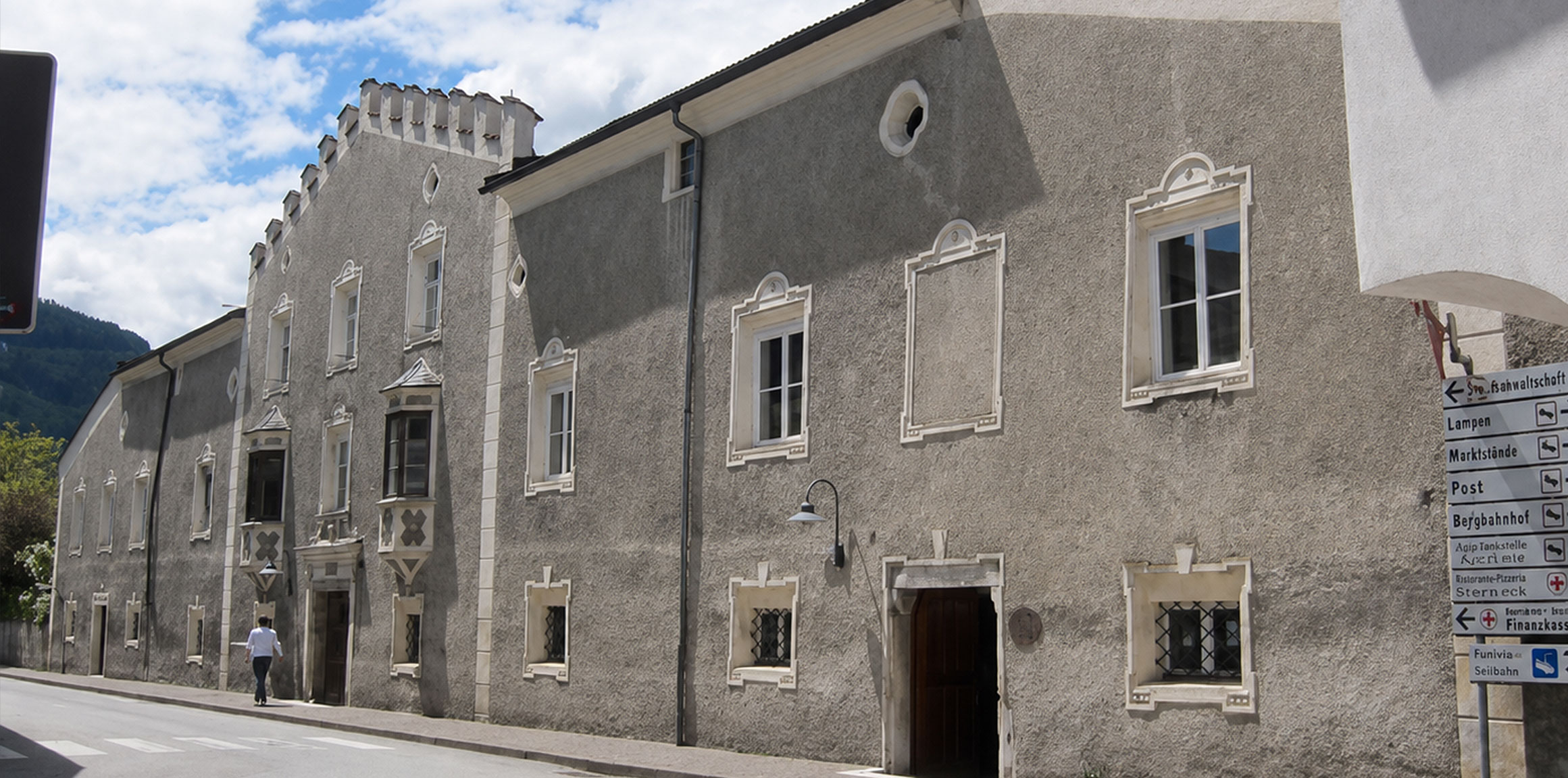
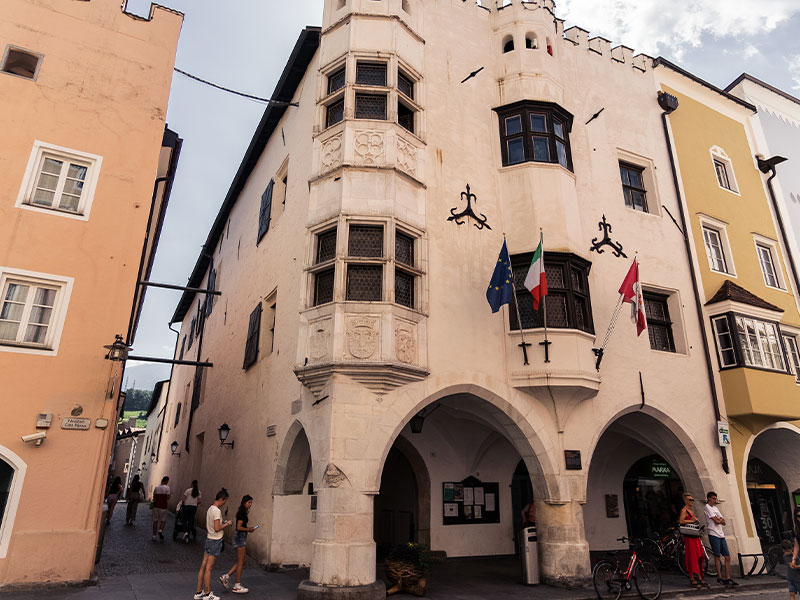
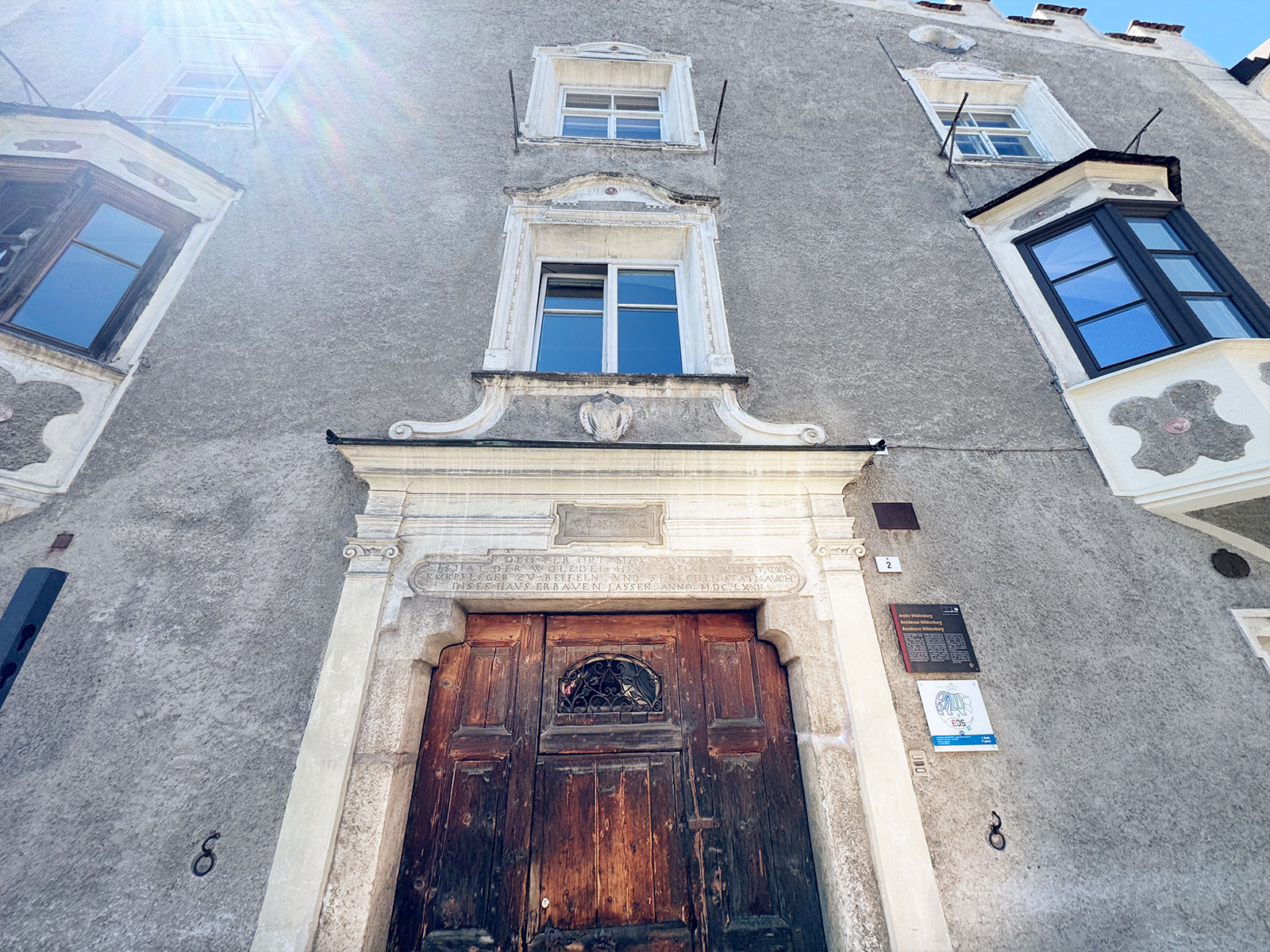
Residence Wildenburg is one of Sterzing’s most remarkable historic town residences. The elongated complex developed from three adjoining houses and still reflects the city’s economic prosperity during the mining and trading boom of the 15th and 16th centuries.
Around 1540, the main wing belonged to the mining entrepreneur Caspar J. Tänzl from Schwaz. Like many wealthy businessmen of the period, he was closely connected to the mining activities in Gossensass and Schneeberg. Later, the property passed into the hands of important merchant families and mining companies, including the famous Fugger family of Augsburg and the Jenbach mining company. These connections demonstrate the major economic importance Sterzing held within Tyrol and the wider Alpine trade network.
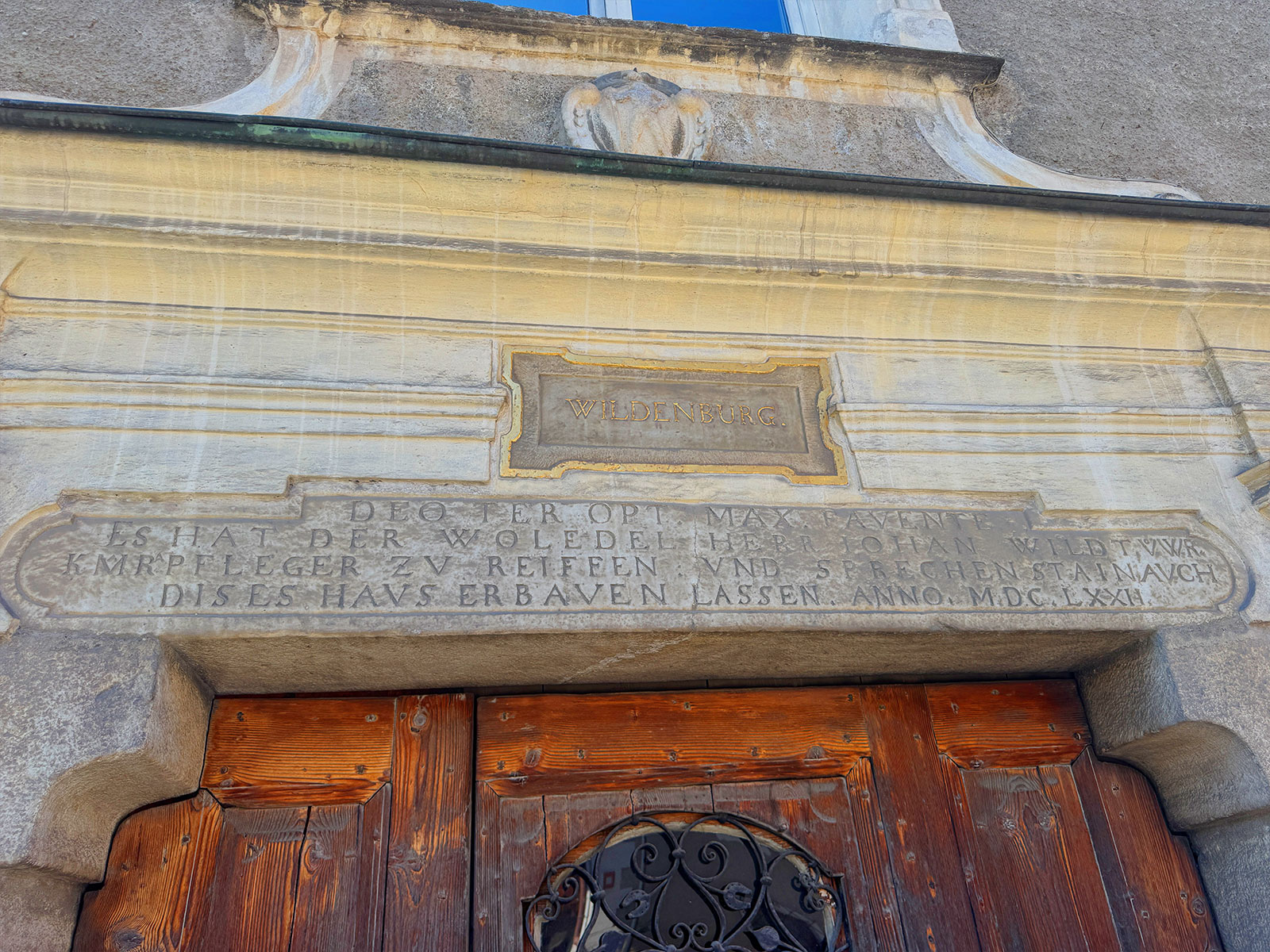
In 1671, the entire complex was extensively redesigned. Shortly afterwards, the imperial captain Hans Wild granted the residence the noble title “zu Wildenburg”, from which the building derives its present name. In this way, the former merchant residence became an aristocratic manor house.
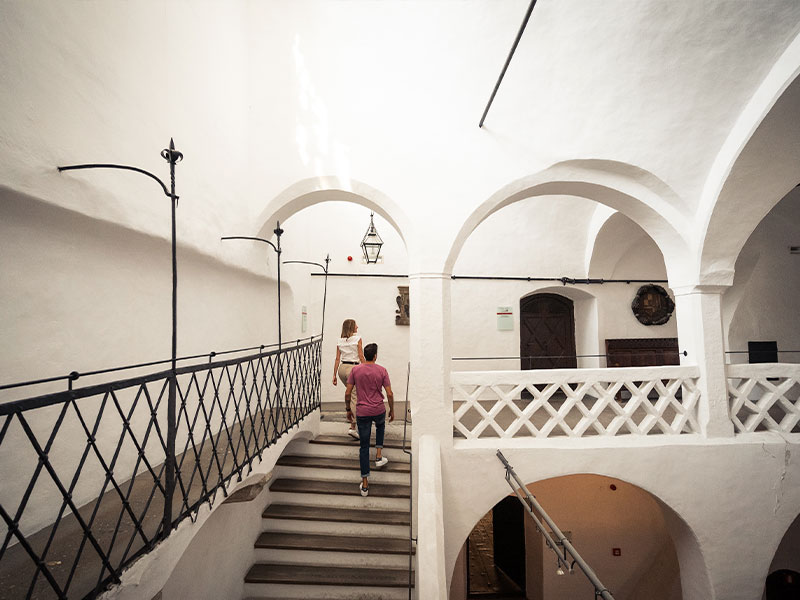
Even today, the broad structure preserves the appearance of a wealthy Renaissance residence. Behind the rather modest façade were once elegant reception rooms, storage areas and commercial spaces closely linked to trade and mining. Like many of Sterzing’s historic residences, Wildenburg emerged during a period when wealthy merchants and mining entrepreneurs transformed the townscape.
In 1862, the residence was acquired by the Rampold dyeing family of Sterzing, maintaining its connection to the town’s commercial and artisan traditions.
Residence Wildenburg still recalls the era when Sterzing, through silver mining and international trade, ranked among Tyrol’s most important towns. Balancing the character of both a merchant’s house and a noble residence, the building tells a story of prosperity, social advancement and international economic connections.