Historic Inn on Sterzing’s Town Square
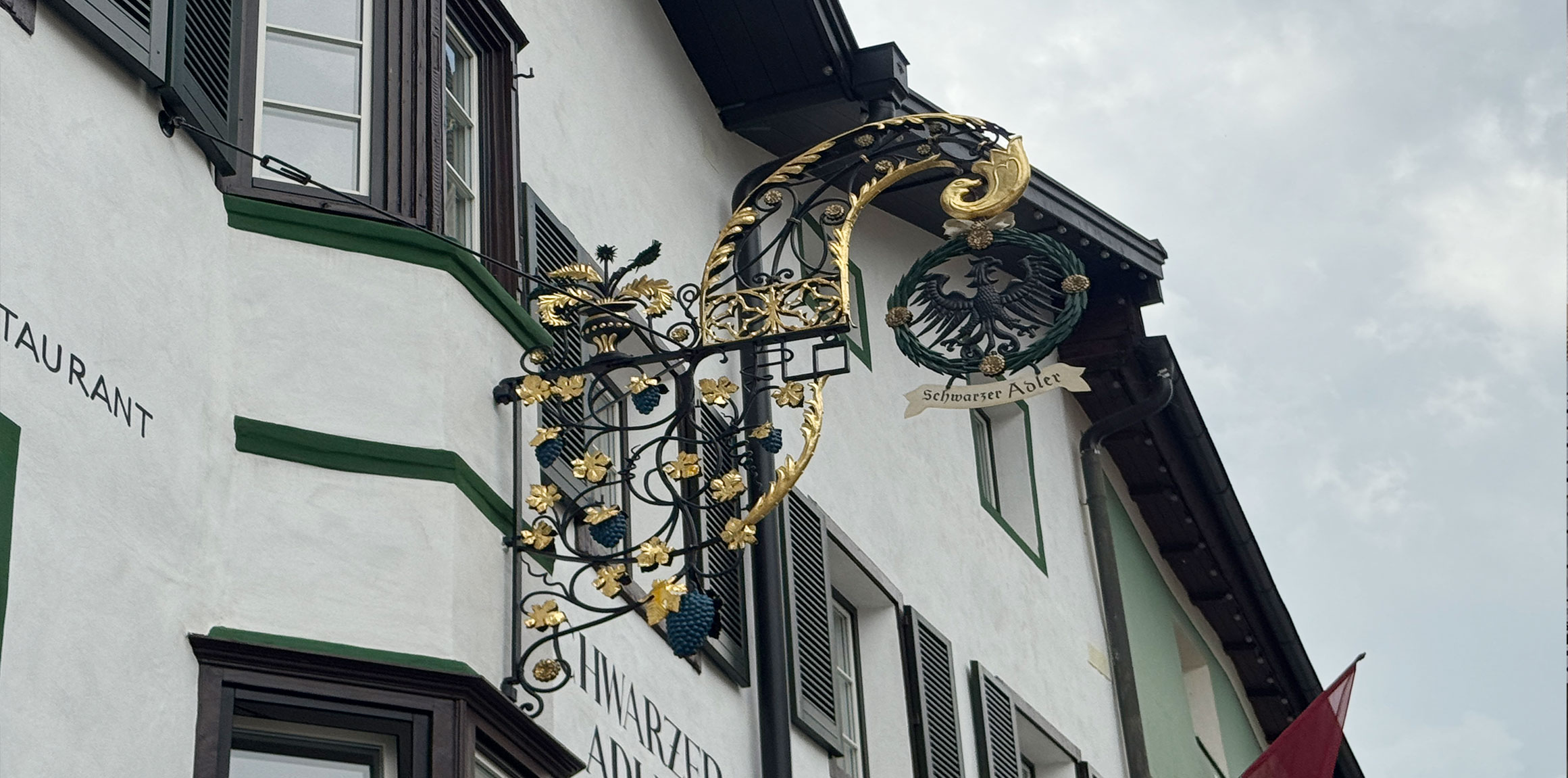
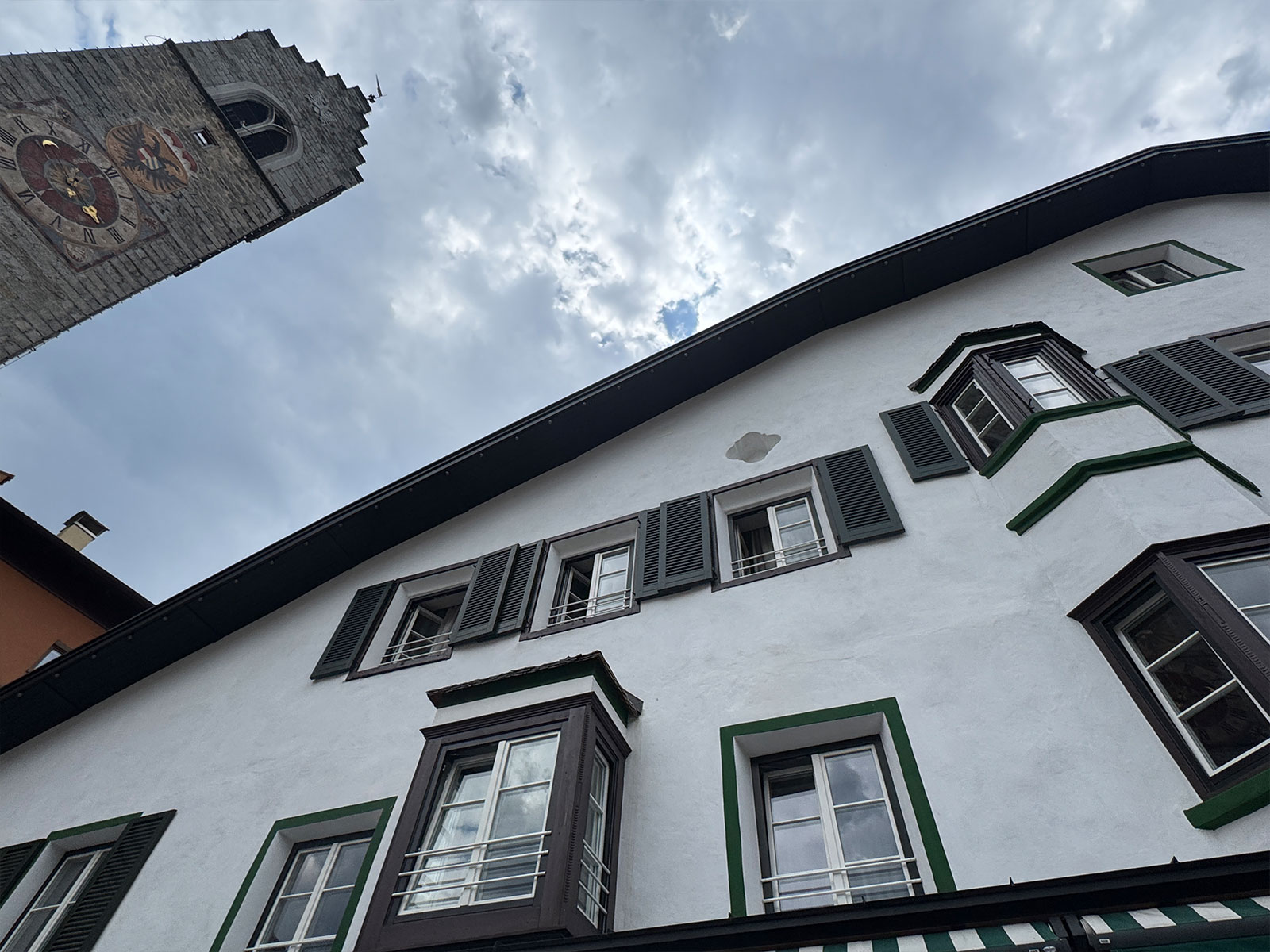
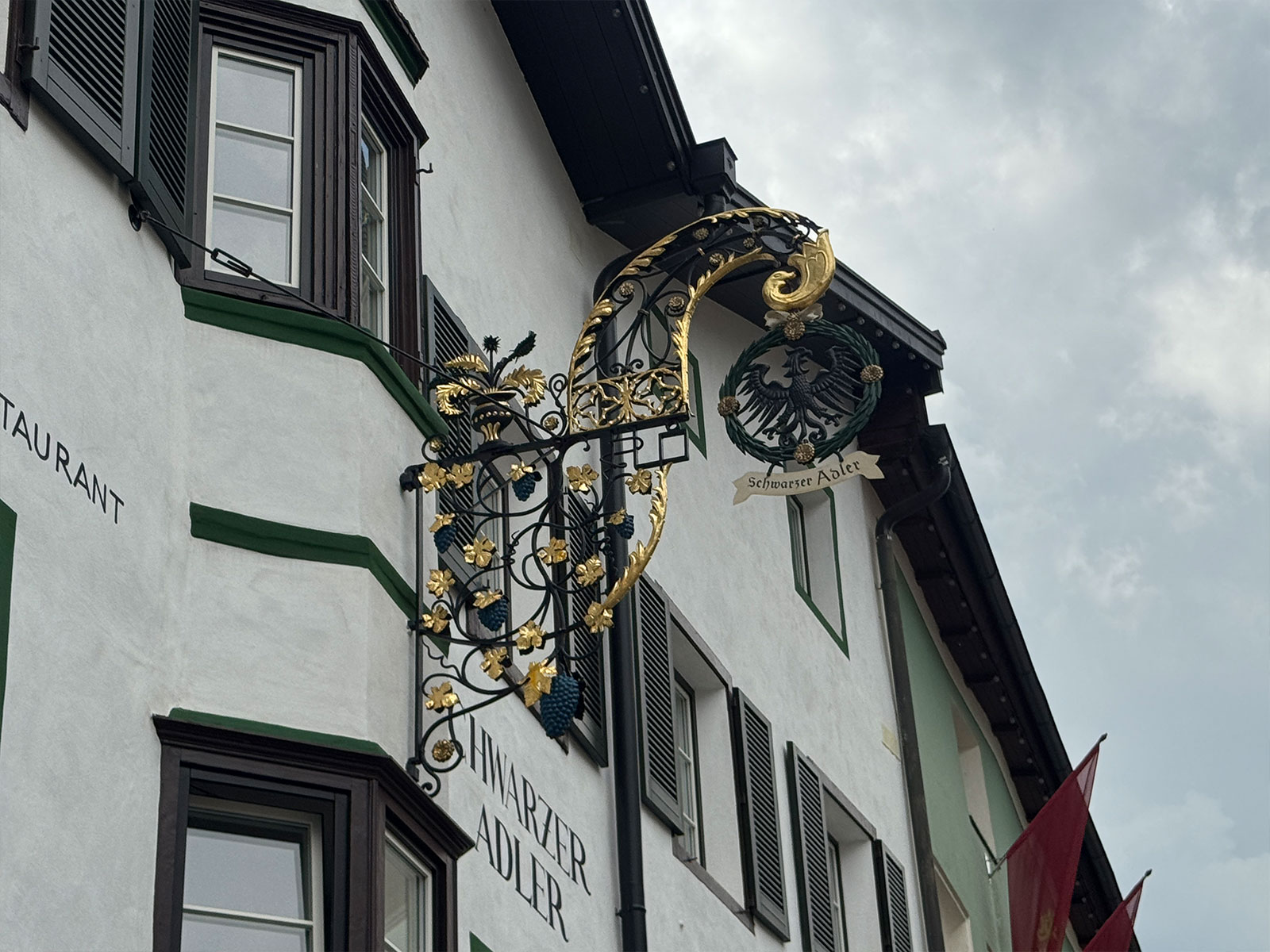
The inn “Zum Schwarzen Adler” is one of the oldest and most traditional inns in Sterzing. The large building developed from the merging of four separate houses and over the centuries became an important meeting place for merchants, travellers and townspeople. Its location directly on the main square made it a significant stop along the historic Brenner route.
The main building was redesigned at the end of the 15th century by Andre Zymerman. Several architectural details still recall this Late Gothic phase, including the massive wooden beams in the historic dining room dating from 1498, among the oldest preserved wooden elements in the house.
One of the most famous guests of the inn was the physician and scholar Paracelsus of Hohenheim. In 1534 he stayed in Sterzing and dedicated a “plague booklet” to the town council, a treatise dealing with disease and epidemics. The inn therefore also holds a place in the history of early medicine and science.
In the ground-floor wine tavern, visitors can still see frescoes painted in 1938 by the South Tyrolean artist Albert Stolz. These murals continue to shape the atmosphere of the rooms and connect the long history of the building with 20th-century art.
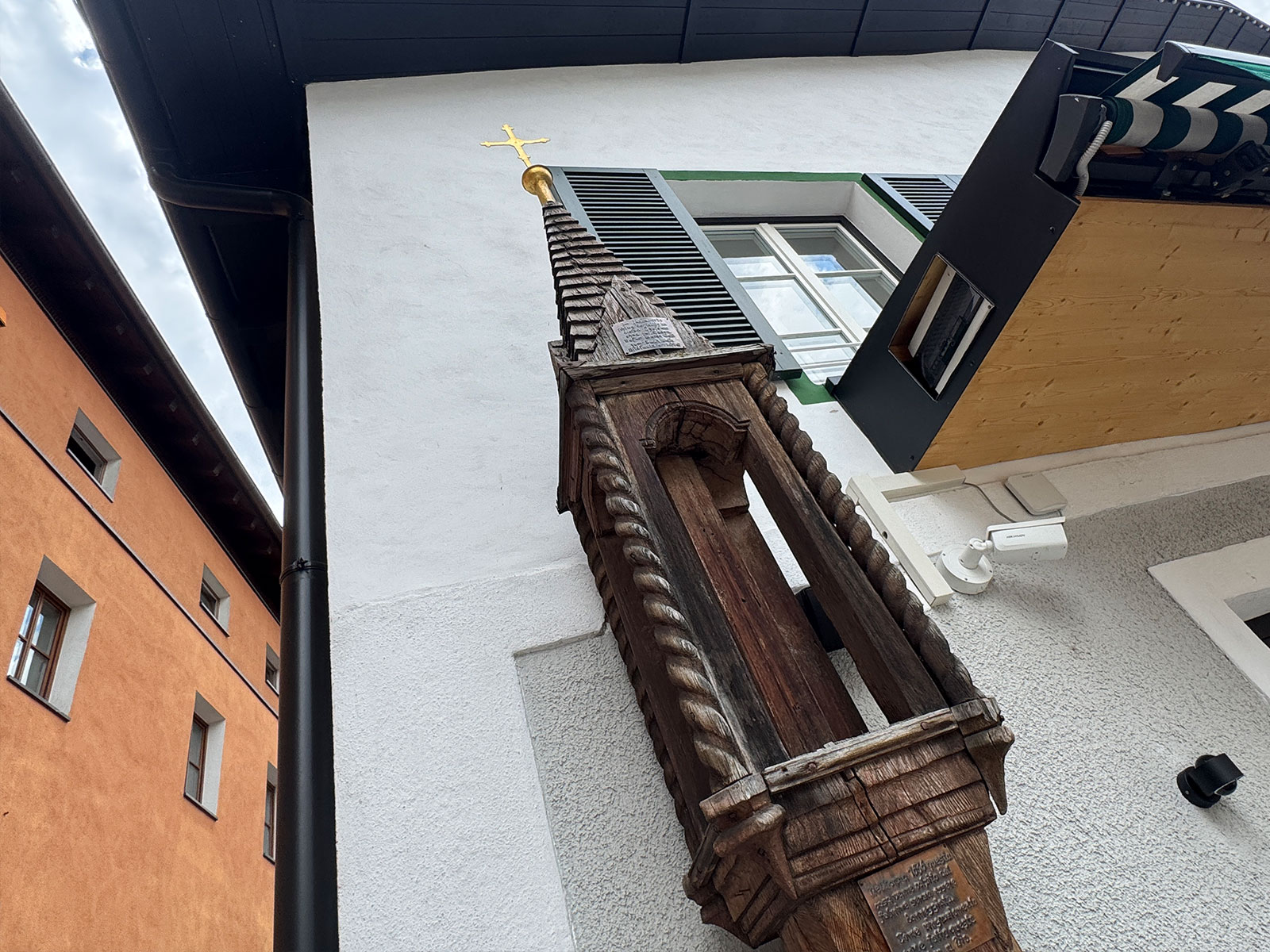
Particularly remarkable is the historic wooden column attached to the outside of the building. According to tradition, it was erected in memory of a lightning strike from which the house was miraculously spared major damage. The column became a symbol of gratitude and protection and reflects the deep religious beliefs of earlier centuries. Such protective symbols were common throughout Tyrol and were intended to safeguard houses and their inhabitants from misfortune.
For centuries, the “Black Eagle” served as a lively meeting point between northern and southern Europe. Merchants, mining entrepreneurs, travellers and local citizens gathered here to eat, rest and exchange news, making the inn an important centre of urban life.
Today, the building still recalls Sterzing’s great era as a trading and mining town. Between Late Gothic walls, historic parlours and ancient symbols, the “Black Eagle” tells a story of hospitality, commerce and the vibrant history of the town.