Stadt Sterzing - Historische Gebäude

Bürgerspital mit Hl. Geistkirche

rathaus

Ort der Fürsorge, des Glaubens und bedeutender Freskenkunst

Mitten in der Altstadt von Sterzing befindet sich das ehemalige Bürgerspital mit der Heilig-Geist-Kirche – ein Bauwerk, das über Jahrhunderte hinweg eng mit dem sozialen Leben der Stadt verbunden war. Hier wurden Arme, Kranke, Pilger und Reisende aufgenommen und versorgt. Gleichzeitig entstand mit der Kirche ein bedeutender Ort religiöser Kunst und spätgotischer Frömmigkeit.

Im Jahr 1399 erwarb die Sterzinger Bürgerschaft das Gebäude mit dem Ziel, ein „künftiges Spital“ zu errichten. Der spätgotische Bau diente bis 1885 als Armenspital und war Ausdruck des starken sozialen Zusammenhalts innerhalb der wohlhabenden Bürgerstadt. Danach wurden im Gebäude unter anderem eine Schule sowie der Tourismusverein untergebracht.

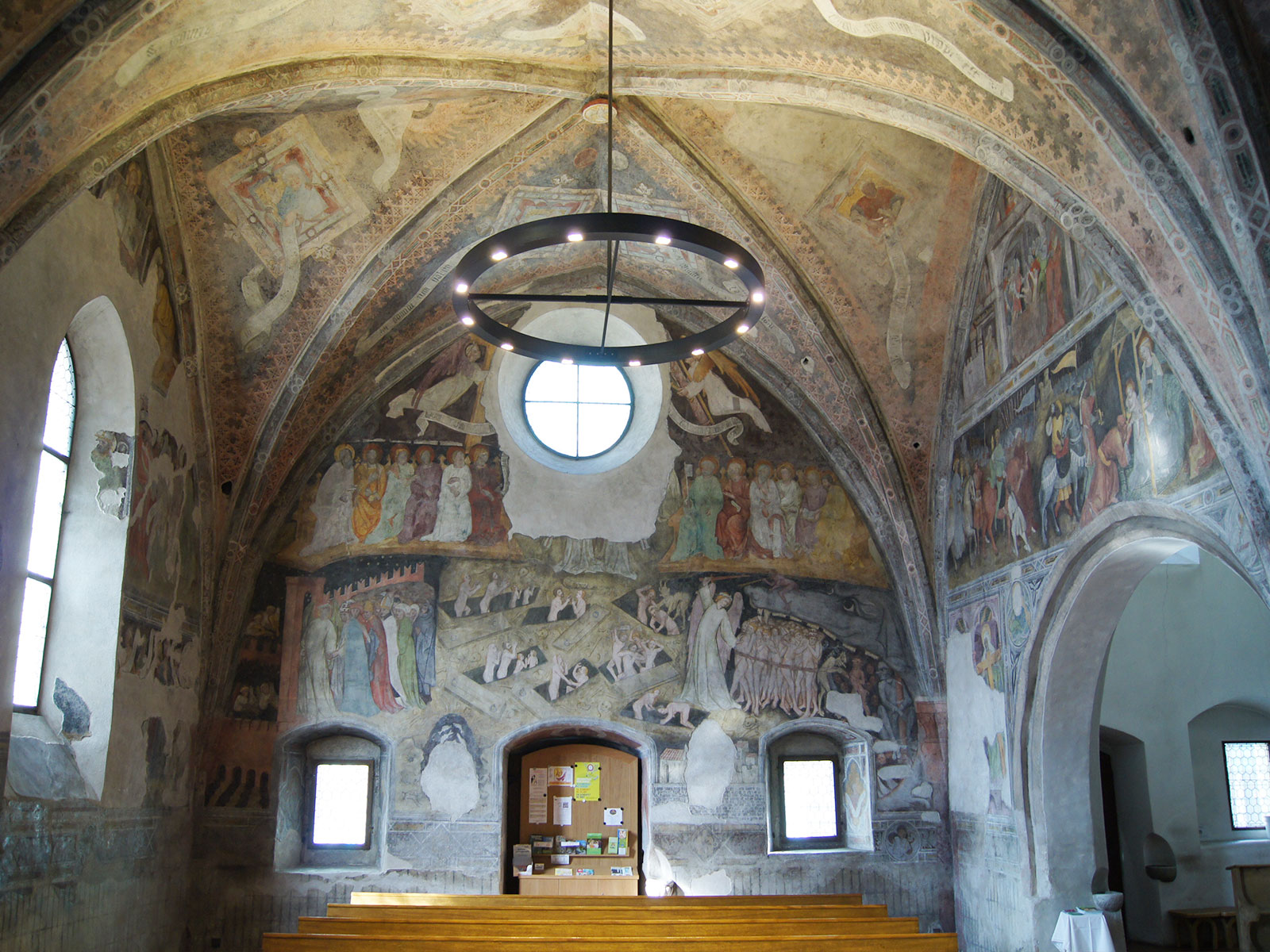
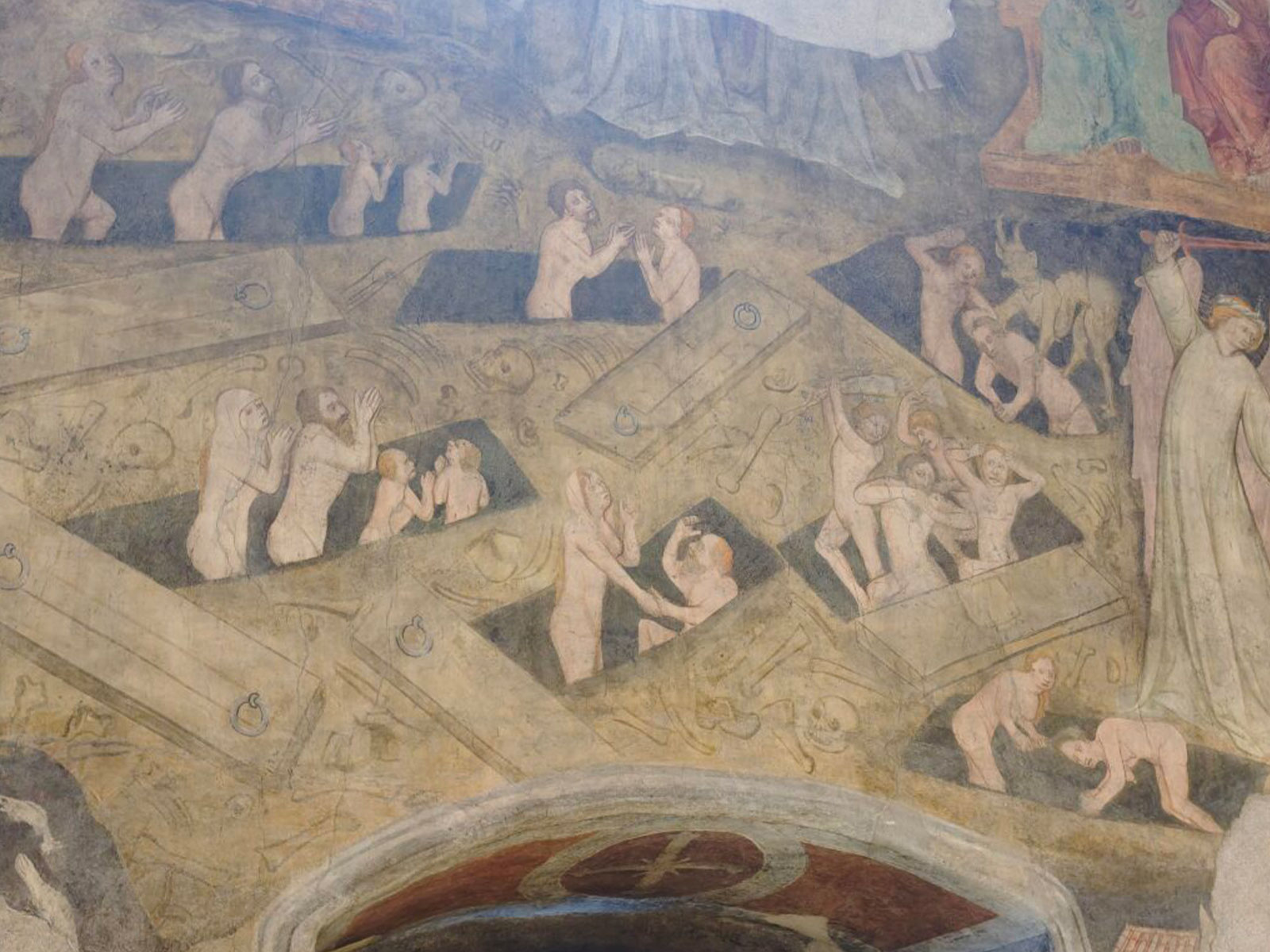
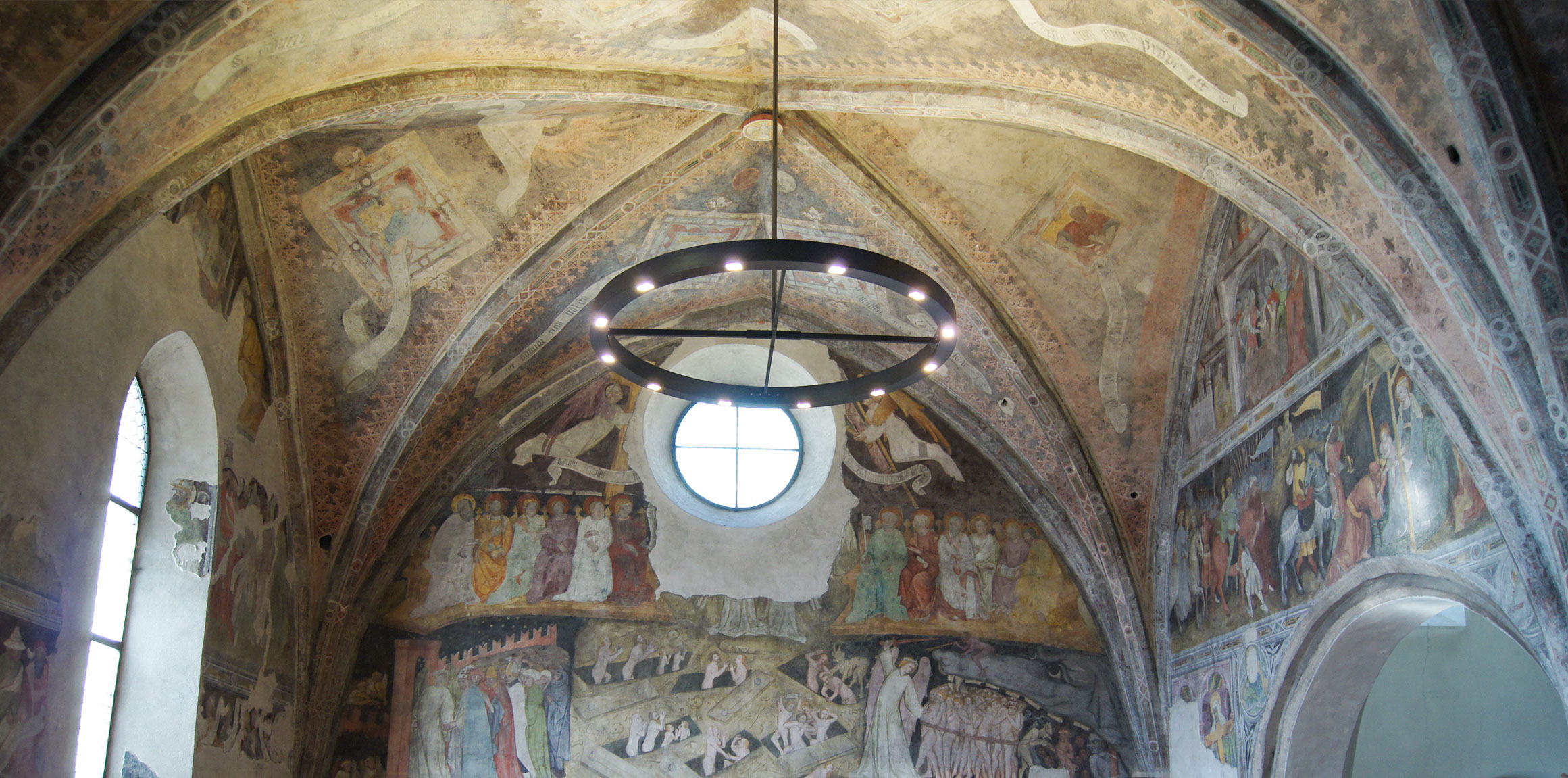
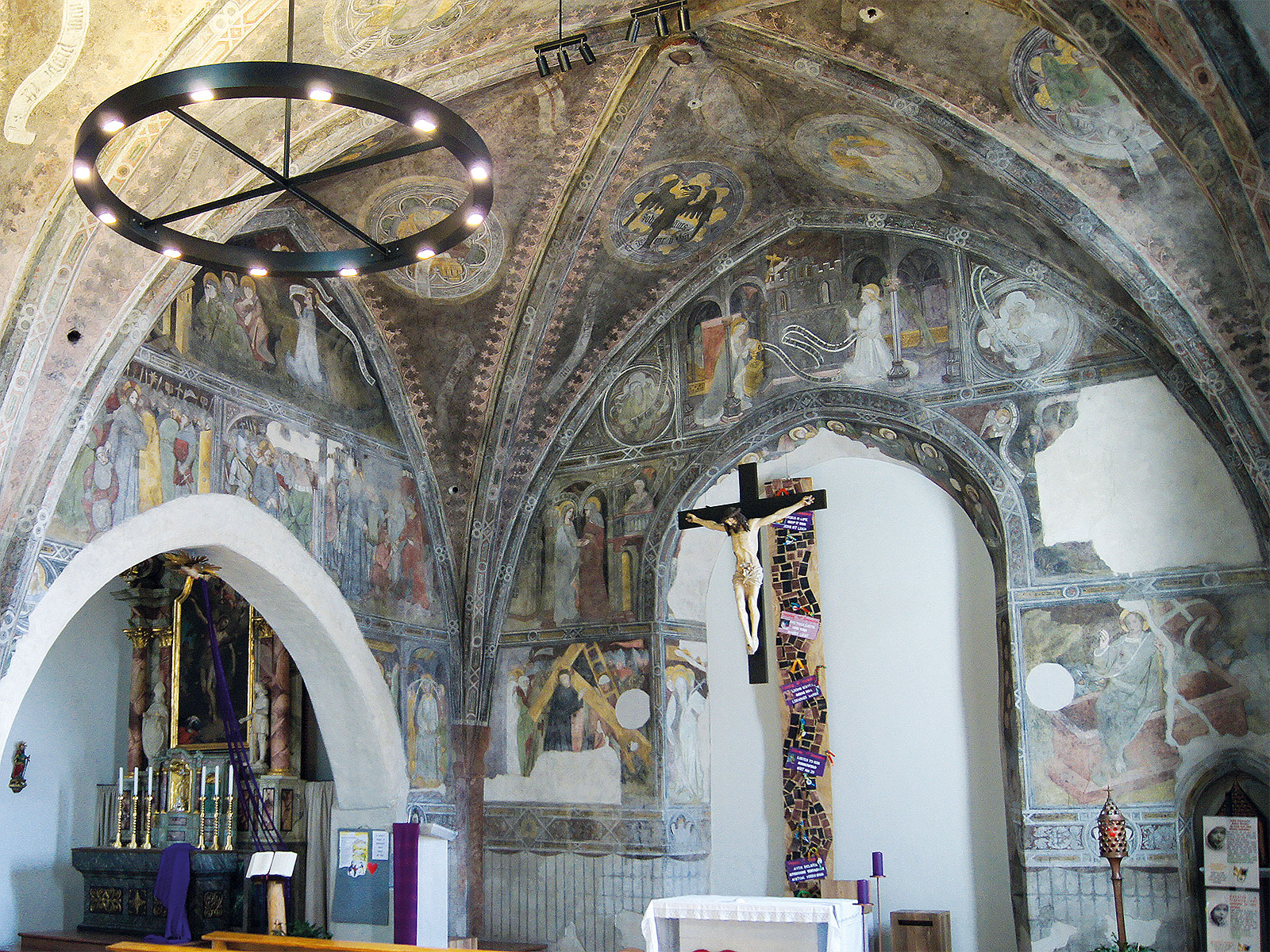
Besonders bedeutend ist die Heilig-Geist-Kirche mit ihren wertvollen Fresken aus den Jahren 1400 bis 1415. Die Wandmalereien zählen zu den wichtigsten gotischen Freskenzyklen im Wipptal und werden dem Maler Hans von Bruneck zugeschrieben. Mit großer Ausdruckskraft erzählen sie biblische Szenen und religiöse Inhalte und geben zugleich einen seltenen Einblick in die mittelalterliche Glaubenswelt und Bildsprache Tirols.

Die Fresken beeindrucken nicht nur durch ihre künstlerische Qualität, sondern auch durch ihre außergewöhnlich gute Erhaltung. Trotz ihres hohen Alters sind viele Farben und Details bis heute sichtbar. Besonders die feinen Gesichtsdarstellungen, Gewandfalten und ornamentalen Elemente zeigen die hohe Meisterschaft der spätgotischen Malerei.

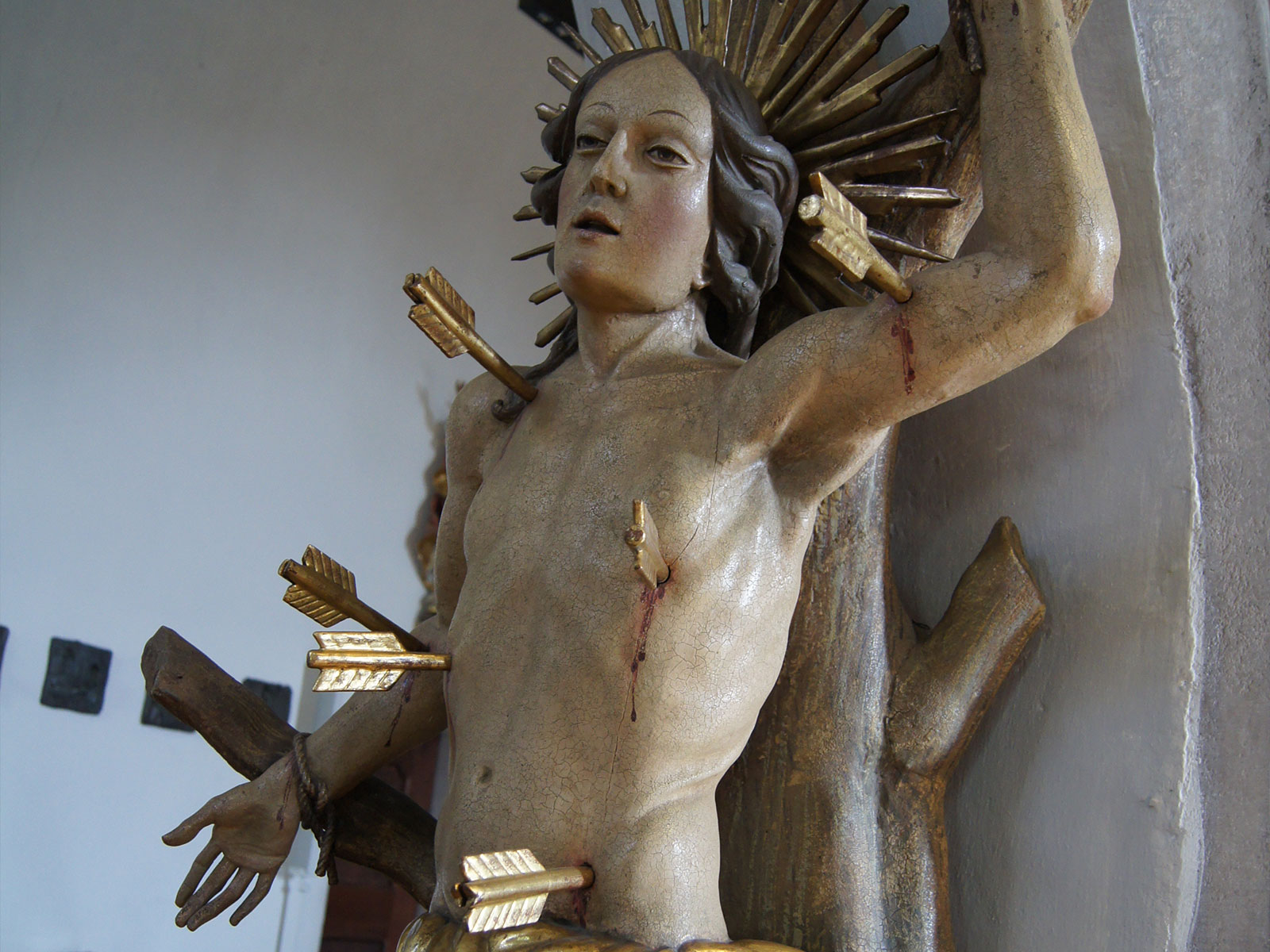
Ein weiterer besonderer Kunstschatz befindet sich im Altarraum der Kirche: das eindrucksvolle Holzkruzifix. Die ausdrucksstarke Darstellung des gekreuzigten Christus vermittelt eindringlich die religiöse Symbolik und Spiritualität der damaligen Zeit. Zusammen mit den Fresken prägt das Kreuz die stille und zugleich feierliche Atmosphäre des Kirchenraumes.

Die Heilig-Geist-Kirche erinnert bis heute daran, dass Sterzing nicht nur Handels- und Verwaltungsstadt war, sondern auch ein Ort sozialer Fürsorge und religiösen Lebens. Zwischen Fresken, Altarraum und den historischen Mauern wird die mittelalterliche Geschichte der Stadt bis heute spürbar.
Italiano

Ospizio cittadino con la Chiesa di Santo Spirito

Luogo di assistenza, fede e preziosa arte gotica

Nel cuore del centro storico di Vipiteno si trova l’antico ospizio cittadino con la Chiesa di Santo Spirito, un complesso che per secoli fu strettamente legato alla vita sociale della città. Qui venivano accolti poveri, malati, pellegrini e viaggiatori. Allo stesso tempo la chiesa divenne un importante luogo di fede e di arte tardogotica.

Nel 1399 la cittadinanza di Vipiteno acquistò l’edificio con l’intenzione di creare un “futuro ospizio”. La costruzione tardogotica servì come ospedale per i poveri fino al 1885 e rappresentò un segno concreto della solidarietà e dell’assistenza all’interno della città. Successivamente l’edificio ospitò una scuola e l’associazione turistica cittadina.

Particolarmente importanti sono gli affreschi della Chiesa di Santo Spirito, realizzati tra il 1400 e il 1415. Queste pitture murali sono considerate uno dei cicli di affreschi gotici più significativi dell’Alta Valle Isarco e vengono attribuite al pittore Hans von Bruneck. Con grande forza espressiva raccontano scene bibliche e temi religiosi, offrendo allo stesso tempo uno straordinario sguardo sulla spiritualità e sulla cultura figurativa del Medioevo tirolese.

Gli affreschi colpiscono non solo per il loro valore artistico, ma anche per l’eccezionale stato di conservazione. Nonostante i secoli trascorsi, molti colori e dettagli sono ancora ben visibili. In particolare, i delicati volti, le pieghe delle vesti e gli elementi ornamentali testimoniano l’alta qualità della pittura tardogotica.

Un ulteriore tesoro artistico si trova nell’area dell’altare: il suggestivo crocifisso ligneo. La rappresentazione intensa del Cristo crocifisso trasmette con grande forza la spiritualità e il simbolismo religioso dell’epoca. Insieme agli affreschi, il crocifisso contribuisce a creare l’atmosfera raccolta e solenne della chiesa.

La Chiesa di Santo Spirito ricorda ancora oggi che Vipiteno non fu soltanto città commerciale e amministrativa, ma anche luogo di assistenza sociale e vita religiosa. Tra affreschi, altare e antiche mura, la storia medievale della città è ancora profondamente percepibile.


English

The Civic Hospital with the Church of the Holy Spirit

A Place of Care, Faith and Remarkable Gothic Frescoes

In the heart of Sterzing’s old town stands the former civic hospital together with the Church of the Holy Spirit, a complex that for centuries was closely connected to the town’s social life. Here, the poor, the sick, pilgrims and travellers found shelter and care. At the same time, the church became an important centre of religious devotion and Late Gothic art.

In 1399, the citizens of Sterzing acquired the building in order to establish a “future hospital”. The Late Gothic structure served as a hospital for the poor until 1885 and reflected the strong sense of charity and civic responsibility within the prosperous town. Later, the building housed a school as well as the local tourism association.

Particularly important are the frescoes inside the Church of the Holy Spirit, created between 1400 and 1415. These wall paintings are considered among the most significant Gothic fresco cycles in the Wipptal valley and are attributed to the painter Hans of Bruneck. With remarkable expressiveness, they depict biblical scenes and religious themes while also offering a rare insight into the spiritual world and artistic language of medieval Tyrol.

The frescoes impress not only because of their artistic quality but also due to their exceptional state of preservation. Despite their age, many colours and details remain clearly visible today. Especially the delicate facial features, flowing garments and ornamental decorations demonstrate the high level of Late Gothic craftsmanship.

Another important artistic treasure can be found in the sanctuary of the church: the impressive wooden crucifix. The expressive depiction of the crucified Christ conveys the deep spirituality and religious symbolism of the period. Together with the frescoes, the crucifix shapes the quiet and solemn atmosphere of the church interior.

The Church of the Holy Spirit still reminds visitors today that Sterzing was not only a centre of trade and administration, but also a place of charity, social care and religious life. Surrounded by frescoes, the altar space and ancient walls, the medieval history of the town can still be strongly felt today.

Diese Website ist auf wpml.org als Entwicklungsseite registriert. Wechseln Sie zu einem Produktions-Website-Schlüssel, um remove this banner.